Published 24 August 2026
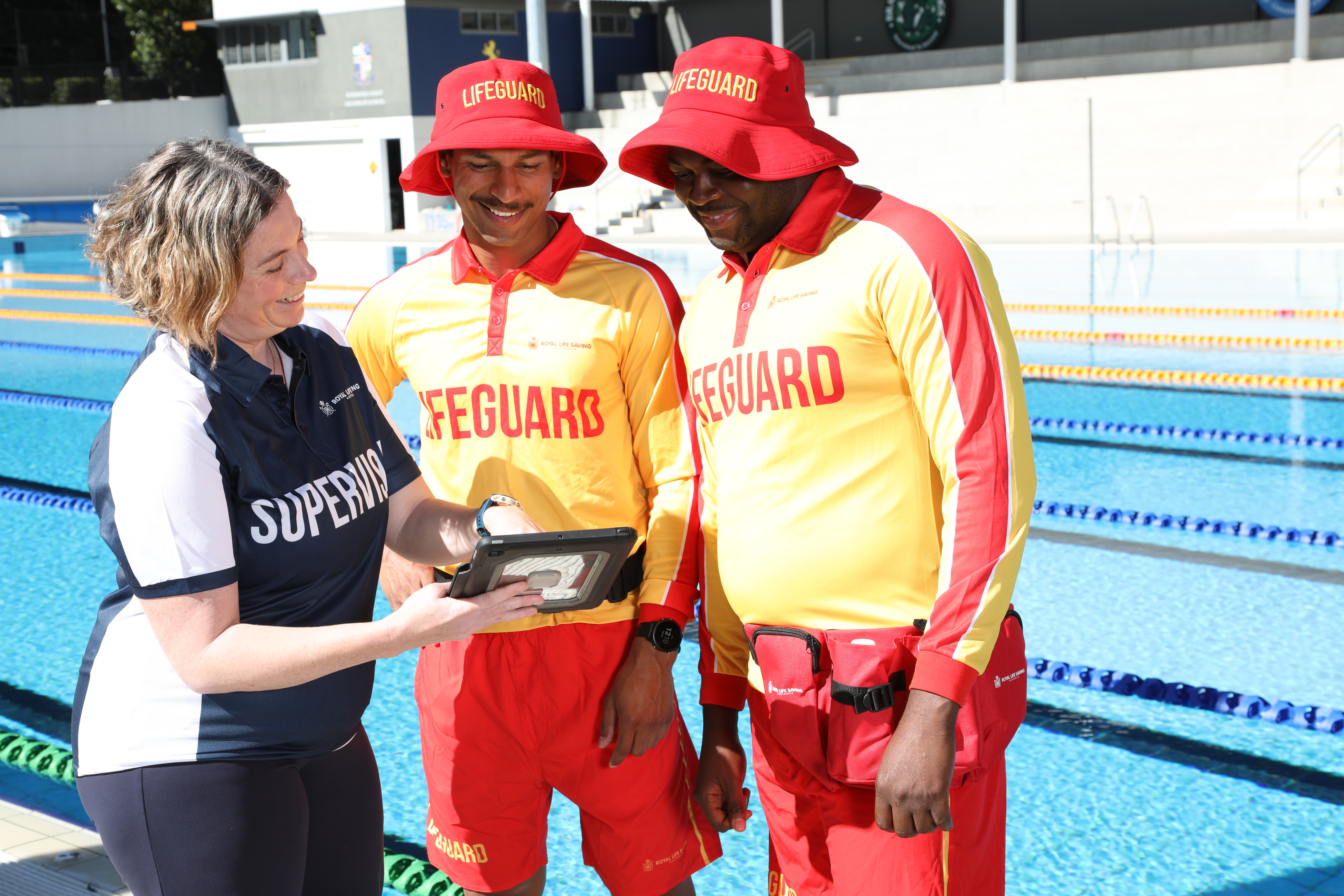
Royal Life Saving Society – Australia has been announced as a successful recipient of the 2025-26 Play Well Affiliate Grant from the Australian Sports Commission (ASC), for its Initiative, the Strengthening Frontline Leadership at Australian Aquatic & Leisure Facilities Initiative.
Royal Life Saving Society – Australia has been announced as a successful recipient of the 2025-26 Play Well Affiliate Grant from the Australian Sports Commission (ASC), for its Initiative, the Strengthening Frontline Leadership at Australian Aquatic & Leisure Facilities Initiative.
The Initiative is co-designed with and funded by the ASC and led by Royal Life Saving. It will develop and pilot Australia’s first nationally consistent credential, the Aquatic Operations - Frontline Leadership Award, mapped to the National Aquatic Workforce Framework’s Duty Manager capability profile.
The Initiative responds to three converging bodies of evidence. First, a review of safety incidents and coronial findings at aquatic and leisure facilities across Australia has repeatedly identified gaps in frontline supervision, duty management and operational leadership as a contributing factor, underscoring the safety-critical nature of these roles. Second, Royal Life Saving’s own research into the aquatic workforce has identified leadership development and clear career pathways as the industry’s highest priority, with duty managers reporting some of the highest levels of workplace stress of any role in the sector. Third, that same research shows the workforce does not yet reflect the diversity of the communities aquatic and leisure facilities serve, particularly in leadership roles: operational frontline leadership roles still have lower representation from women, multicultural communities, people living with disability and First Nations communities, with informal promotion pathways and inconsistent access to training creating structural barriers to advancement.
Aquatic and leisure facilities are important community hubs, hosting a variety of sport, physical activity, rehabilitation and wellness facilities and programs, as well as water safety education. As such, ensuring that the people who lead the day-to-day operations of these facilities reflect the communities they serve and are well equipped to manage facilities safely is essential to realising the objectives of the Play Well Strategy, which calls for safe, welcoming, inclusive and fun sporting experiences for everyone.
The Award will focus on strengthening leadership capability across operational safety, supervision, emergency response, workforce leadership and inclusive service delivery.
A central goal of the Award is to accelerate the diversification of leadership across the aquatic and leisure workforce. Funding will be directed to accelerate participation from existing and aspiring frontline leaders, with funded places prioritised against intersectional equity criteria, including lived experience of disability, gender diversity, multicultural and Aboriginal or Torres Strait Islander cultural backgrounds, and LGBTIQ+ identities. By deliberately removing cost and access barriers for people from these backgrounds, the Award aims to build a genuine and sustainable pathway into safety-critical leadership roles, so that the people leading Australia’s pools and aquatic centres better reflect the diversity of the communities they serve.
Royal Life Saving Society – Australia Chief Operating Officer, RJ Houston, said the Initiative represented a critical investment in both the safety of Australia’s aquatic facilities and the people who lead them.
“Time and again, reviews of safety incidents at aquatic and leisure facilities point back to the same thing: the strength of frontline supervision and duty management,” Mr Houston said.
“Duty managers and supervisors make critical decisions every day that influence safety, staff wellbeing and the experience of millions of people who use aquatic and leisure facilities, yet there has never been a nationally consistent way to develop and credential them.
“Our own workforce research tells us leadership development and clear career pathways are now the single highest priority for this industry. This project lets us build that pathway, and build it in a way that deliberately opens the door wider, creating funded places for people with disability, women, multicultural and Aboriginal and Torres Strait Islander communities, and LGBTIQ+ Australians who want to grow into these roles. We want the leadership of our sector to reflect the communities it serves, and we look forward to working with industry, members and the ASC to make that a reality.”
ASC’s Participation General Manager, Cameron French, said the Initiative was a strong example of Play Well – Australia's Sport Participation Strategy in action.
“Aquatic and leisure facilities represent a significant proportion of the places where sport participation happens in Australia, housing dozens of sports and physical activities,” Mr French said.
“Play Well is about creating safe, welcoming, inclusive and fun sporting experiences for everyone, and that starts with the people leading participation venues. By strengthening the safety and diversifying the leadership of aquatic and leisure facilities, we can widen the visibility of opportunities for people who have traditionally missed out on sport participation, and help them feel welcome, included, and see a genuine place for themselves in the sector.”
National Aquatic Industry Committee member and General Manager of Venues & Events at the City of Logan, Brad Page, welcomed the Award as a long-overdue industry standard for the people leading the delivery of complex, high-traffic community facilities.
“Operating an aquatic and leisure facility is far more demanding than many people realise. Our facility operators and their frontline teams manage significant safety risks every day, alongside important cultural competency and inclusion responsibilities, to keep these essential facilities safe, welcoming and accessible for our communities that regularly rely on them,” Mr Page said.
“Through the National Aquatic Industry Committee, we’ve been championing the need for an appropriate industry standard of award for these roles for several years, so it’s exciting to finally see it coming to fruition.”
Developed with industry, for industry
Royal Life Saving will work collaboratively with aquatic industry employers, staff working in operational supervisor and team leader roles, and State and Territory Members to develop the Award’s modules.
Royal Life Saving acknowledges Royal Life Saving State and Territory Members, who will be actively involved in the Initiative’s delivery mechanisms and will contribute to its design and implementation. Royal Life Saving also thanks aquatic industry employers, including project supporters Belgravia Leisure and Logan City Council, for their support of the Initiative and their commitment to participate actively in the pilot.
Initial consultation and program design will take place during 2026, followed by pilot activity in 2027. Industry stakeholders will be invited to take part in consultation, co-design and piloting, and to help identify prospective participants from underrepresented workforce groups, with further details released as the Initiative progresses.
The Australian Sports Commission announced Royal Life Saving among eight successful recipients of the 2025–26 Play Well Affiliate Grants.
Read the ASC announcement and view the successful projects.
----
About Royal Life Saving Society – Australia
Royal Life Saving Society – Australia is a public benevolent institution, established in 1894, dedicated to bringing people together to eliminate drowning and empower communities to be safe around water. Through leadership, research, advocacy, education and training, Royal Life Saving works to foster inclusion, build resilience and develop lifelong water safety skills.