Published 24 February 2026
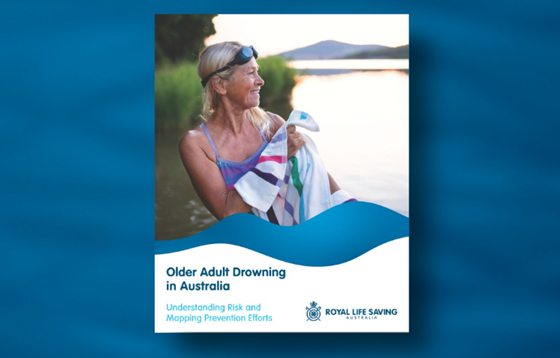
Older Australians at Highest Risk on Record:
New Report Reveals 55% Spike in Drowning Deaths
Older Australians now account for 26% of all drowning deaths, despite representing just 16% of the national population.
Dramatic new research released today by Royal Life Saving Australia reveals a very concerning rise in drowning deaths among Australians aged 65 years and over - with the highest number on record reported in 2024/25.
Over the past decade, 736 older adults have drowned, with 115 lives lost in 2024/25 alone. This is a 55% increase on the 10-year average.
Royal Life Saving Australia Chief Executive Officer Dr Justin Scarr said the findings highlight the need for targeted prevention strategies as Australia’s population ages. “Today’s older Australians are active, independent and spending more time in and around water. While this is positive for health and wellbeing, it also means we must better understand and manage the risks,” Dr Scarr said.
“Drowning risk increases with age due to factors such as underlying medical conditions, reduced mobility and falls. Prevention strategies must evolve to meet this changing profile.”
Key Findings
- 736 drowning deaths among people aged 65+ over the past 10 years
- 115 deaths in 2024/25 - the highest on record
- 57% had a pre-existing medical condition
- Of those, 75% were cardiovascular-related
- 54% of deaths occurred among those aged 65-74 years
- Most common locations: beaches (24%) and rivers/creeks (22%)
- 25% occurred close to home (0-5km), with a further 26% occurring at the person’s residential property
- Leading activities: swimming and boating, followed by unintentional falls into water
Risk Changes Across Age Groups
The report highlights distinct patterns across older age groups:
- 65-74 years: Most active cohort; travelling further to beaches and waterways; swimming and boating common prior to drowning.
- 75-84 years: Similar recreational profile, though unintentional falls increase.
- 85+ years: Incidents more likely to occur at home or on residential property; unintentional falls are the leading precursor to drowning.
Of those with a recorded medical condition, 31% had a condition that directly contributed to their death.
A Call for Action
To reduce drowning among older Australians and meet the targets of the Australian Water Safety Strategy 2030, Royal Life Saving Australia is calling for focus in three key areas:
1. Supporting Healthy Ageing Agenda - Integrating water safety into falls prevention and broader healthy ageing initiatives.
2. Lifelong Aquatic Engagement - Encouraging older Australians to stay active in and around water while promoting awareness of personal limits and changing capabilities.
3. Managing Medical Conditions - Promoting regular health check-ups, awareness of medication side effects, and safe management of cardiovascular and other conditions around water.
“Aquatic activity provides enormous physical and social benefits,” Dr Scarr said.
“Our goal is not to discourage participation - but to ensure older Australians can enjoy the water safely and confidently.”
Older adults are encouraged to connect with local councils and aquatic facilities to refresh their swimming skills and water safety knowledge.
Media Contact:
Media Key
P: (03) 9769 6488 or 0409 420 112
E: mediakeypr@iprimus.com.au