Published 23 June 2026
Two NGA motions, reinforce the role of Local government
This week in Canberra, around 1,000 local government mayors, shire presidents and councillors will meet at the National General Assembly of Local Government (NGA). The event is facilitated by the Australian Local Government Association (ALGA), who will bring together the nation's mayors and councillors to debate national policies, advocate for federal funding, and address sector-wide challenges.
Royal Life Saving notes two motions in the program that reinforce the essential role local governments play in our mission of eliminating drowning and empowering communities to be safe around water.
The first motion (206) links closely to our objective to drive the Australian Water Safety Strategy – leading and coordinating national efforts to halve drowning by 2030.
The NGA will debate motion 206, which highlights local governments as land managers and service providers in drowning prevention and water safety.
The motion cites the Australian Water Safety Strategy 2030, specifically supporting the new national imperatives of increasing local water safety efforts and fostering greater alignment of government policies and partnerships to reduce drowning. Here it is:
Motion Number 206
This National General Assembly calls on the Australian Government to recognise and support local government's critical role as land managers and service providers in drowning prevention and water safety, and to partner with councils in implementing the Australian Water Safety Strategy to achieve the 2030 drowning reduction targets.
Lake Macquarie City Council, NSW
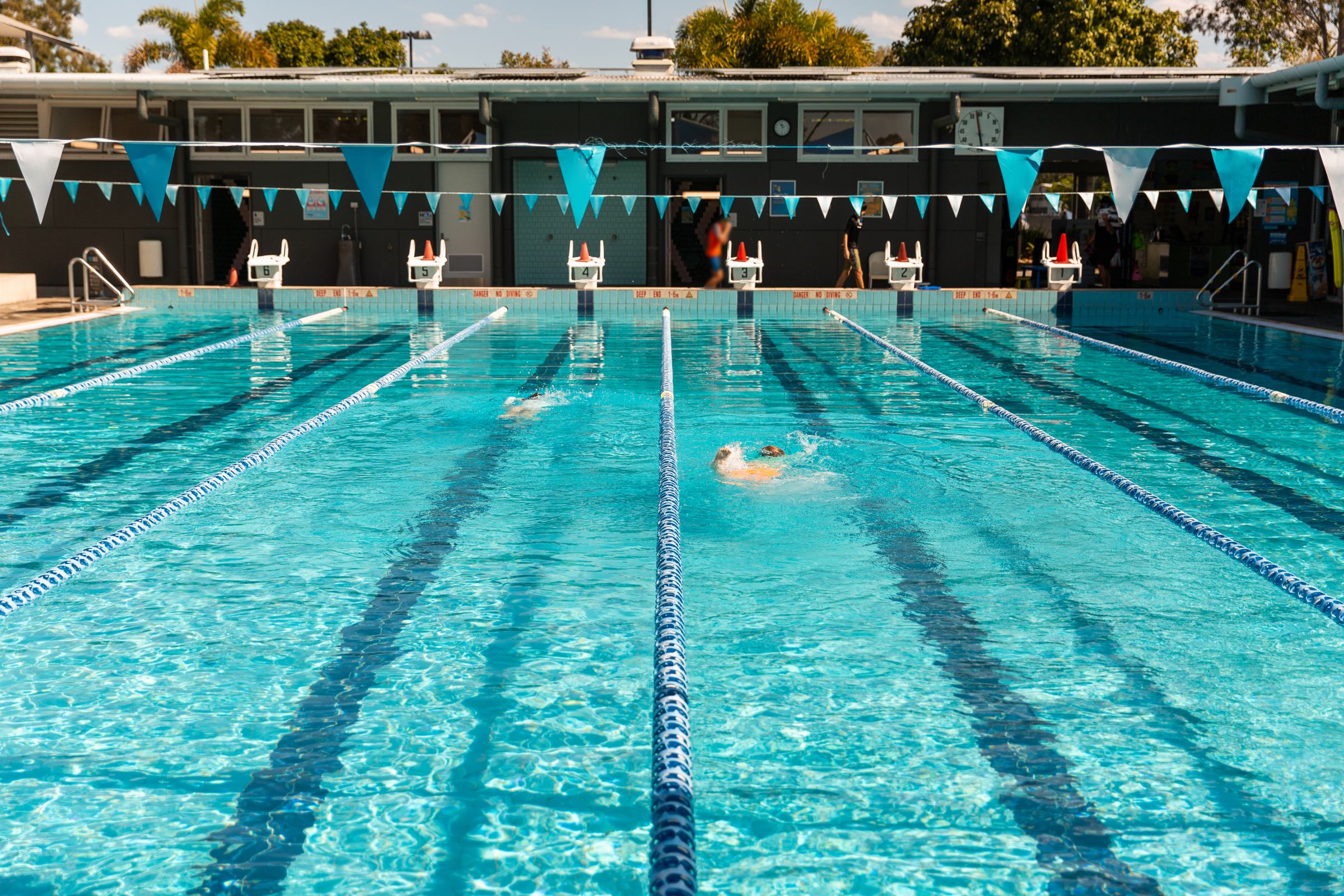
The second motion (226) supports our calls to ensure that everyone has access to a safe place to swim. As most know, Royal Life Saving has been advocating for and supporting investments in community pools and safe aquatic infrastructure, especially in regional and disadvantaged areas.
In this vein, the NGA motion calls for the establishment of an ongoing national funding program to support the renewal, replacement and modernisation of council owned public swimming and aquatic facilities.
We hold similar views, having recently called for a National Pool Investment Program, specifically a two‑stage program to fund initial planning and feasibility studies, followed by the actual delivery and renewal of critical facilities.
Current funding programs are typically for new developments and aimed at ‘shovel-ready’ projects, which means disadvantaged councils often can’t meet the criteria, so many communities miss out on opportunities to plan for a new pool or refurbish a much-loved existing pool.
Motion Number 226
This National General Assembly calls on the Australian Government to establish an ongoing national funding program to support the renewal, replacement and modernisation of council owned public swimming and aquatic facilities, recognising them as essential community infrastructure and prioritising ageing assets - particularly in regional and remote areas - to improve community health, safety, resilience and long‑term asset sustainability.
Yass Valley Council, NSW; Newcastle City Council, NSW; Bass Coast Shire Council, VIC; Shire of Campaspe, VIC; Moyne Shire Council, VIC
These are two topics we’ve been working hard to illuminate. Here are some data points to support motions 206 or 226:
- At the Australian Water Safety Strategy 2030’s midpoint, drowning deaths are rising, with 357 people dying in 2024–25, a 27% increase on the 10‑year average.
- Older Australians are at the highest risk, with people aged 65+ accounting for around one‑third of all drowning deaths.
- Rivers and lakes are a leading location for drowning, which is why AWSS 2030 calls for stronger inland waterway safety, local water safety plans, and land manager leadership.
- People born overseas make up around one-third of all drowning deaths and often experience substantial barriers to using local pools or accessing swimming lessons.
- Swimming skills are at crisis levels, with about half of Year 6 students unable to swim 50 metres and float for two minutes.
- One in ten children has never had swimming lessons, and many who start drop out too early, leaving them without vital water safety skills.
Local government owned public swimming pools are some of Australia’s most valuable community assets, delivering billions of dollars in health, safety and social benefits each year while quietly underpinning our national approach to swimming, water safety and drowning prevention.
- Public pools receive more than 421 million visits every year across Australia.
- They generate about $12.84 billion in social, health and economic value each year.
- However, significant challenges in access and sustainability are present:
- One in four Australians have disadvantaged access to public swimming pools
- Nearly 500 public pools are approaching the end of their operational lifespan.
Local government will play an important role in helping the Australian Water Safety Strategy’s goal of halving drowning by 2030. Whether, building and maintaining public pools, subsidising swimming lessons that serve those most vulnerable, supporting local lifesaving clubs, funding professional beach lifeguard services, or implementing local risk plans around rivers and during flooding their contribution is immense.