Published 3 March 2026
A decade of data continues to paint a confronting picture for South East Queensland as a national drowning blackspot. More than 325 people have drowned across the region in the past ten years - an average of 33 lives lost each year - with rivers, creeks and beaches remaining the most common locations. Swimming and recreating is the leading activity prior to drowning with 75% of drowning deaths being male and 69% between their home or within 50km from home.
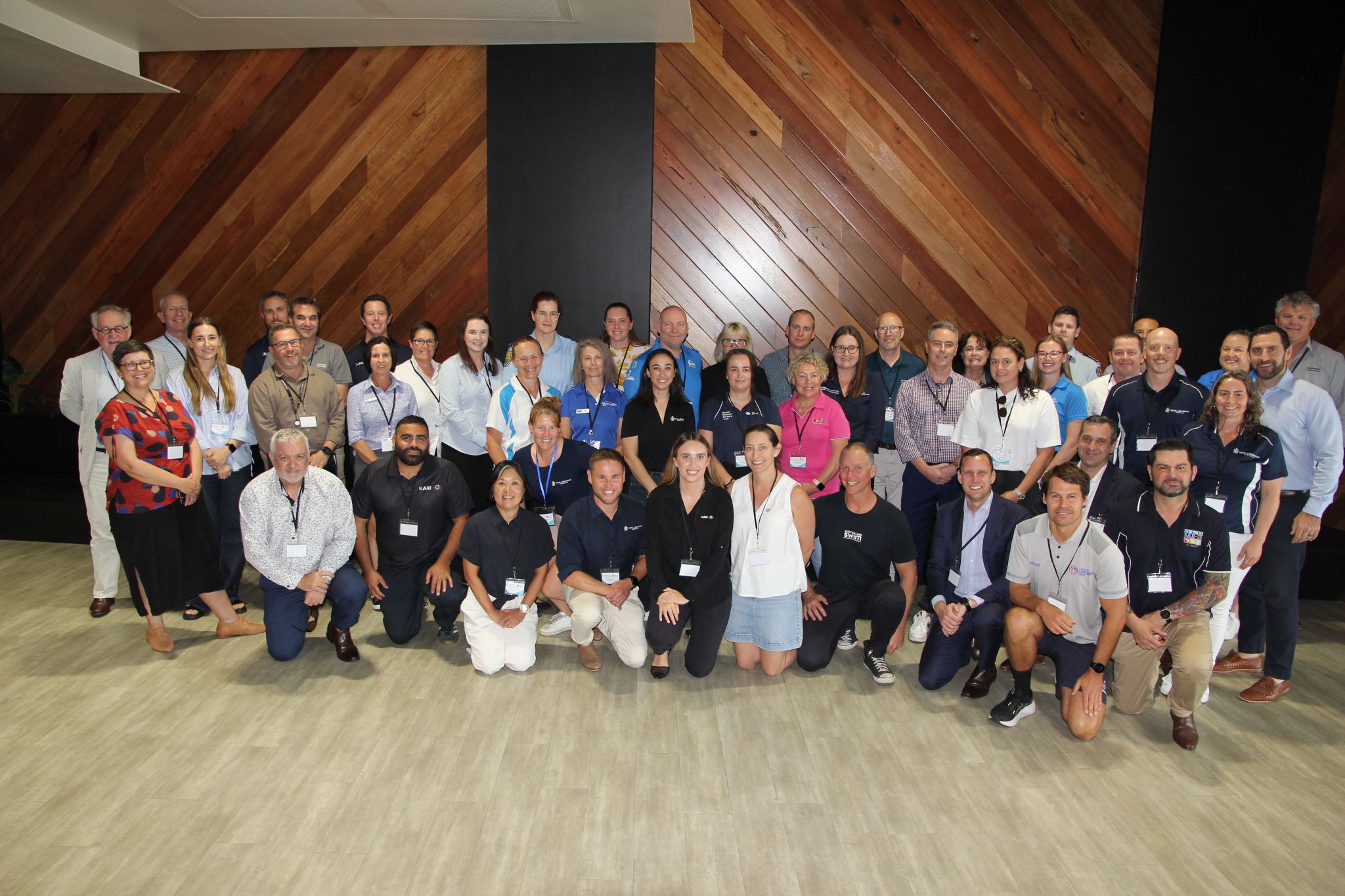
In response to these statistics, more than 60 leaders from government, emergency services, research, industry and community organisations came together on the Sunshine Coast in October 2025 for the South East Queensland Water Safety Forum, marking an important midpoint check-in on the South East Queensland Water Safety Strategy 2023–2027.
Convened by Royal Life Saving Australia, in partnership with Royal Life Saving Queensland and Surf Life Saving Queensland, the Sunshine Coast Council and supported by the Australian Government, the forum examined current drowning trends and focused on strengthening localised water safety efforts across the region - a key national priority under the Australian Water Safety Strategy 2030.
Royal Life Saving Queensland Executive Director Paul Barry said the forum was an opportunity to reconnect the sector and focus on what matters most at a regional level.
“This forum brought together the people who are working every day to keep our communities safe around water. It allowed us to reflect on where we’ve made progress, where the risks are changing, and how we continue to strengthen collaboration to prevent drowning across South East Queensland,” Mr Barry said.
Participants reviewed regional drowning data, explored emerging risks and worked together to identify priority actions to guide the next phase of the strategy. Three strong themes emerged: sharpening safety messaging for people and places most at risk, making safer environments the default choice, and strengthening systems, partnerships and data to sustain long-term impact.
Surf Life Saving Queensland Chief Operating Officer Greg Cahill said the forum demonstrated the power of partnership and shared leadership.
“The outcomes from this forum reinforce how important it is that organisations across the sector work together. By aligning our efforts and focusing on the environments and communities most at risk, we can continue to build momentum and deliver meaningful change,” Mr Cahill said.
Royal Life Saving Australia National General Manager RJ Houston said the event highlighted how national priorities are translated into practical, local action.
“Drowning prevention is most effective when it’s grounded in local knowledge and strong partnerships. The forum reaffirmed our shared commitment to working together, using data to guide decisions and supporting communities to lead solutions that reflect the unique risks across South East Queensland,” Mr Houston said.
Through continued collaboration, targeted local initiatives and sustained leadership, South East Queensland is building a stronger, more connected approach to drowning prevention - one that reflects the needs of the region and supports the national goal of reducing drowning across Australia. For further details visit: South East Queensland | Royal Life Saving Society - Australia
For further details visit: https://www.royallifesaving.com.au/Aquatic-Risk-and-Guidelines/inland-waterways/Local-Water-Safety-Planning/south-east-queensland
NOTES TO THE EDITOR
Media Contact:
Ross Woodward, Media Key
P: (03) 9769 6488
E: mediakeypr@iprimus.com.au
Media Spokespeople:
Contacts:
Paul Barry
Executive Director, Royal Life Saving Queensland
paulbarry@rlssq.com.au
0408185727
Greg Cahill
Chief Operations Officer, Surf Life Saving Queensland
gcahill@lifesaving.com.au
0403 577 640
RJ Houston
General Manager, Capability and Industry, Royal Life Saving Australia
rjhouston@rlssa.org.au
0403 340 033