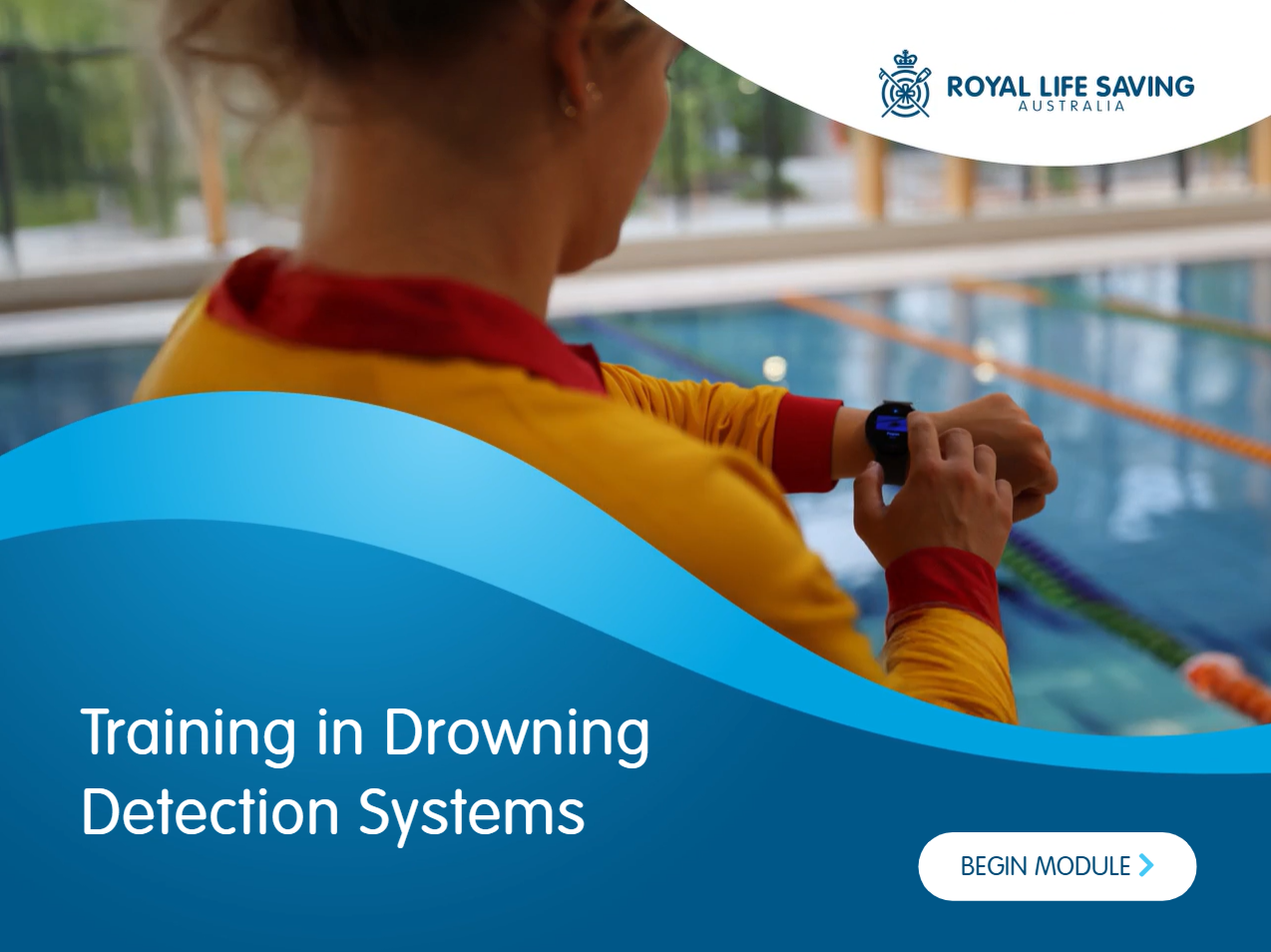
With thousands of aquatic incidents occurring each year, many requiring skilled lifeguard responses, Royal Life Saving is stepping up with a new training program that brings lifesaving technology and frontline expertise together.
‘Training in Drowning Detection Systems’, developed by Royal Life Saving – Australia and Royal Life Saving - Queensland with the support of the Queensland Government’s Workforce Strategy 2022–2032, is now open for enrolments across Australia. This online course introduces centre owners, centre managers, duty managers and lifeguards to drowning detection systems (DDS), including those powered by AI, and provides practical guidance on how to implement and use this innovative technology safely and effectively.
With topics covering supervision best practices, equipment and planning, system implementation and legal considerations, the course gives aquatic professionals a solid grounding in both the theory and real-world application of DDS.
Aquatic facilities that have already adopted DDS are seeing the benefits firsthand. Brad Page, Venues and Events Manager – City of Logan, explains,
“We have recently installed the Lynxight system at Gould Adams Park Aquatic Facilityand are very optimistic about the benefits that can be realised for the facility users. Council made the decision to be an early adopter of this technology which underscores our ongoing commitment to community safety and intend to continue the installations across our other facilities.”
BlueFit has also led the way in embracing DDS technology to enhance safety. Todd McHardy, CEO of BlueFit, says,
“At BlueFit, we’re always looking for innovative ways to enhance safety and support our teams on the ground. The introduction of drowning detection systems has added real value. Our lifeguards have responded positively, recognising the system as a great support tool that helps them stay alert and respond even more quickly when needed.”
With more facilities choosing to adopt drowning detection systems, there is growing recognition of the need to equip staff with the right skills and understanding to use the technology effectively. Paul Barry, CEO at Royal Life Saving Queensland, highlights the importance of thoughtful implementation and the role of targeted training,
“Drowning detection systems can be a powerful tool in a facility’s approach to safety, but they must be implemented thoughtfully,” said Paul Barry. “The training module we have developed focuses giving aquatic staff, from centre managers through to lifeguards - and those looking to become lifeguards, the confidence and capability to work with this technology as part of a layered approach to water safety.”
In the module, learners will explore:
- How DDS can support supervision planning, scanning, communication and emergency response
- What’s involved in planning and preparing for system installation
- How to embed DDS into facility procedures and operations
- Important compliance, privacy and legal considerations
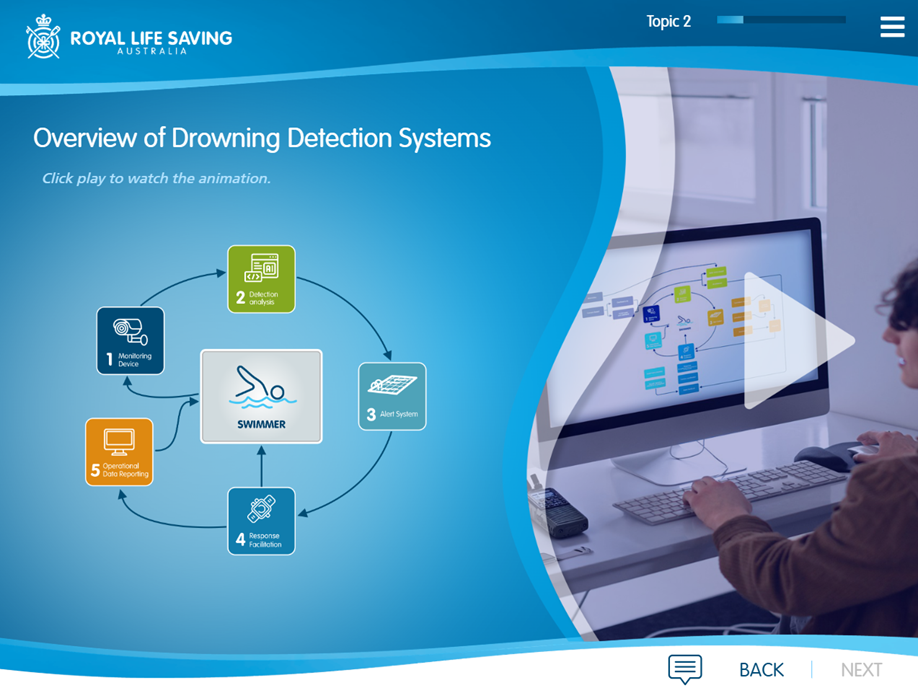
The course is highly engaging, utilising podcast style interviews, immersive 360 videos, and animated infographics along with a range of interactive screens to offer busy aquatic professionals a short, impactful and quality learning experience.

Whether your facility is already using drowning detection systems or just starting to explore them, or you are an experienced aquatic industry professional or just starting out on your career, this course is a must-do for any team wanting to stay ahead of the curve in aquatic safety. It’s also a great way to support professional development and show your commitment to safety innovation.
Interested?