Royal Life Saving Australia marks National Reconciliation Week with progress update and commitment to culturally inclusive water safety
Royal Life Saving Australia is marking National Reconciliation Week 2026 (27 May – 3 June) by reflecting on progress made under its Reflect Reconciliation Action Plan and reaffirming its commitment to embedding reconciliation across water safety programs, partnerships and operations.
Aboriginal and Torres Strait Islander people are 1.7 times more likely to drown compared to non-Aboriginal Australians. Addressing this inequity requires water safety initiatives developed in partnership with communities - a key finding of Royal Life Saving’s 2023 Cultural Connections to Water research.
Over the past 12 months, Royal Life Saving has strengthened its focus on culturally responsive and community-informed approaches across its programs and operations.
The organisation partnered with First Nations community members to co-design a series of short videos that amplify community voices on what water safety means to Aboriginal and Torres Strait Islander peoples. The videos link to key recommendations from the Cultural Connections to Water research, which found that water means Knowledge, Healing and Life to First Nations Australians.
Cultural awareness education has been embedded into the organisation's staff induction process, ensuring every team member understands their role in delivering culturally safe and responsive programs.
Royal Life Saving has prioritised procuring products and services from First Nations businesses for events and ensured First Nations community representation at decision-making forums including the National Water Safety Summit and policy roundtables.
Dr Stacey Pidgeon, National Manager, Research and Policy and RAP champion at Royal Life Saving Australia, said the organisation is committed to working in partnership with Aboriginal and Torres Strait Islander communities.
“It has been a learning journey, recognising that change won’t happen overnight, however by building genuine and respectful relationships with communities, leaders and elders, we can together improve safety outcomes and lives around the water to reverse those statistics into the future," Dr Pidgeon said.
As Royal Life Saving prepares to transition to an Innovate Reconciliation Action Plan over the next 12 months, its focus will be on deepening partnerships with First Nations communities and expanding culturally responsive water safety initiatives across Australia.
"Going forward, we want to ensure that cultural practices and knowledge linked to water are at the forefront, while working with communities to embed safety practices in a relevant and respectful manner.”
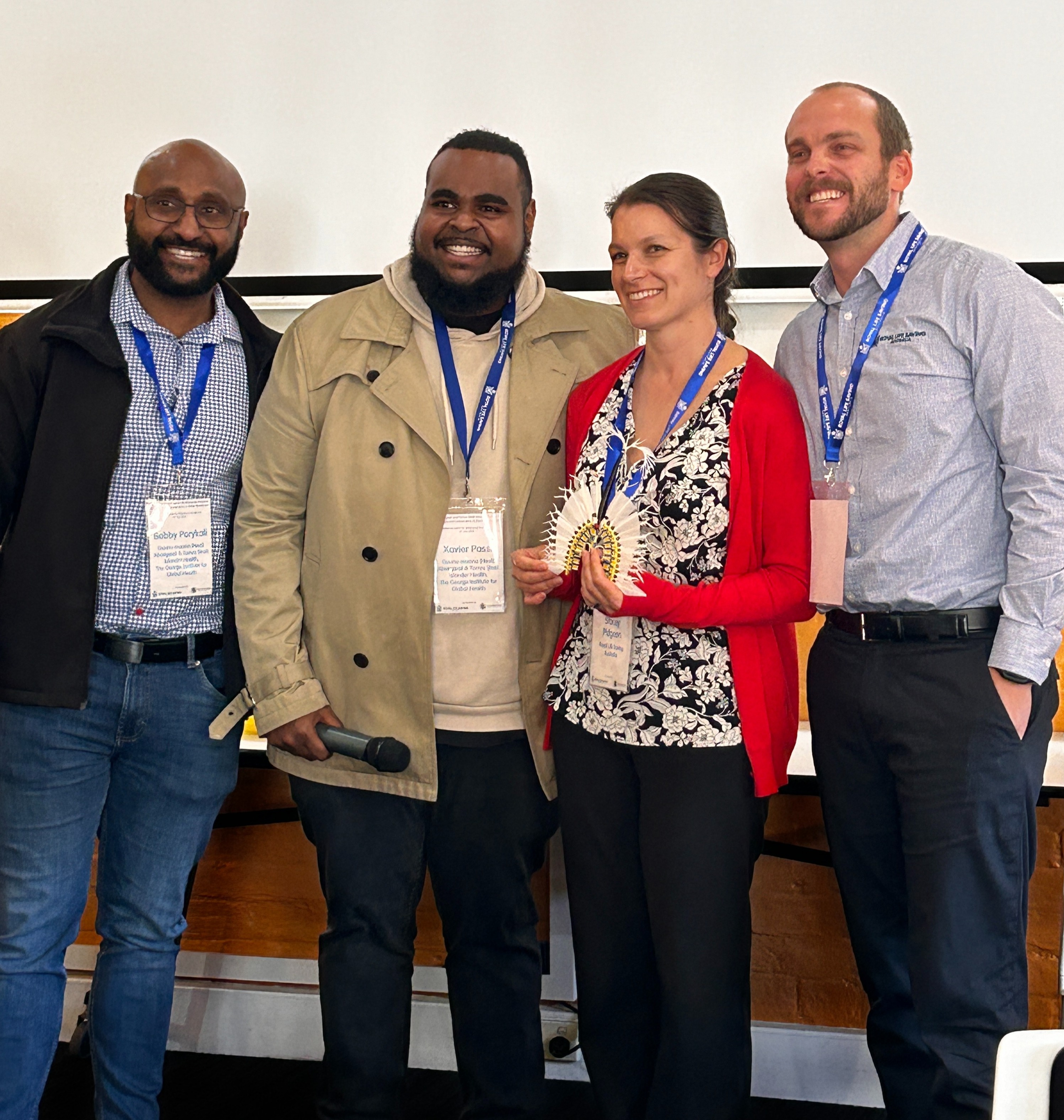
As part of National Reconciliation Week, Royal Life Saving staff across the country will participate in an internal webinar exploring community voices in water safety and the role of co-design in effective partnerships. The session will be facilitated by Xavier Passi, who contributed to the Cultural Connections to Water research through the Guunu-maana (Heal) Aboriginal and Torres Strait Islander Health Program at The George Institute for Global Health Australia.
The theme for National Reconciliation Week 2026 is 'All In' - a call for all Australians to commit to reconciliation every day. For Royal Life Saving, this means continuing to ensure water safety programs are accessible, respectful and co-designed with the communities they serve.
Royal Life Saving's Cultural Connections to Water videos are available here. More National Reconciliation Week resources are available at reconciliation.org.au.